

ALL PRODUCTS
Private Label & Blending
BRANDED INGREDIENTS
R&D LAB
SERVICES
OUR FARMS
Book A Demo
| Quantity | Price | Save |
|---|---|---|
| XXXXX | XXXXX | -- |
| XXXXX | XXXXX | 10.00% |
| XXXXX | XXXXX | 15.00% |
You can view and download product documents, access detailed product information, place orders, request samples, chat with our experts, and much more.
Botanical Name: Pistacia lentiscus
Plant Part Used: Tree Resin (Gum)
Processing Method: Cleaning, Purification, Milling
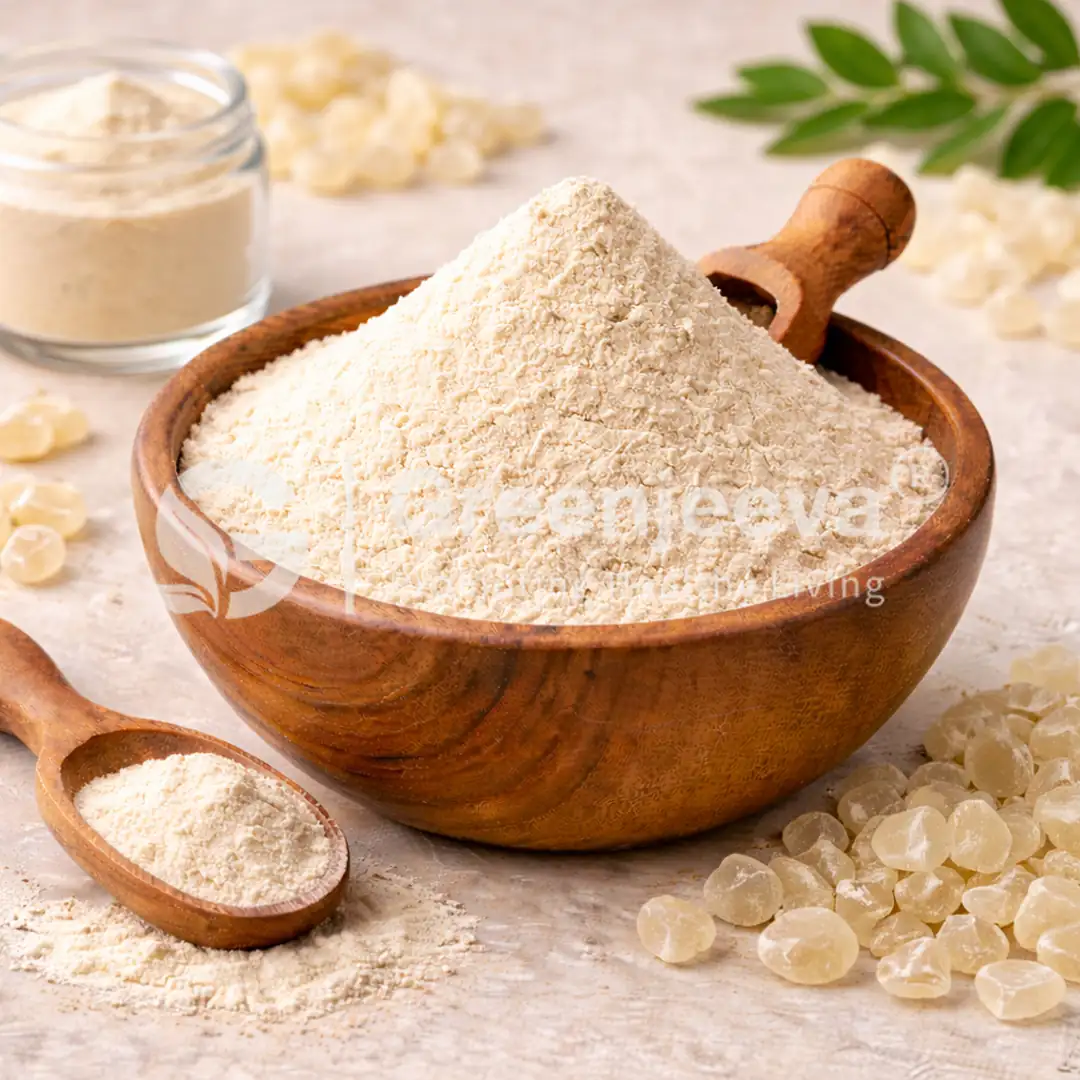
Mastic gum powder is obtained from the natural resin secreted by the mastic tree (Pistacia lentiscus), a Mediterranean evergreen shrub known for producing aromatic tree resin. The resin forms hardened droplets on the bark and branches of the tree, which are traditionally collected and processed to obtain Chios Mastic Gum.
Following harvesting, the raw resin undergoes careful cleaning procedures to remove natural impurities such as bark fragments and environmental residues. Once purified, the resin is mechanically milled into a fine mastic powder that is suitable for industrial formulation systems.
The powder format allows manufacturers to integrate the ingredient into large-scale processing environments where consistency, flowability, and formulation compatibility are essential. Compared with raw resin tears, mastic resin powder provides easier dosing and dispersion in dry blends, encapsulation systems, and powdered formulations.
Within commercial ingredient sourcing systems, mastic gum powder is commonly evaluated for characteristics such as botanical authenticity, particle size distribution, moisture levels, and documentation availability. These specifications support manufacturers seeking consistent raw materials for production environments.
The ingredient is used across various sectors, including nutraceutical formulation, functional food development, botanical product manufacturing, and specialty ingredient applications. Manufacturers sourcing bulk mastic extract powder often integrate the ingredient into formulations that require natural resin-based botanical inputs.
TARGETED INDUSTRIES & B2B APPLICATIONS
Mastic gum powder is incorporated into multiple commercial manufacturing sectors:
• Nutraceutical Manufacturing
Capsules, tablets, powdered formulations using Mastic Gum Powder for Dietary Supplements
• Functional Food Industry
Botanical ingredient blends and flavoring systems utilizing food-grade mastic gum powder
• Botanical & Herbal Product Manufacturing
Traditional resin-based ingredient systems using Pistacia Lentiscus Mastic Gum Powder
• Nutraceutical R&D Formulations
Multi-ingredient supplement blends requiring botanical resin components
• Cosmetic & Personal Care Industry
Natural botanical ingredient systems utilizing plant-derived resin powders
• Specialty Food Processing
Flavoring or aromatic ingredient systems derived from Chios Mastic Gum
Manufacturers sourcing bulk mastic ingredients typically evaluate botanical origin, resin purity, and specification documentation prior to integration.
BOTANICAL & COMPOSITION PROFILE
Mastic gum powder naturally contains plant-derived resin compounds associated with Pistacia lentiscus tree resin.
Typical composition characteristics may include:
• Naturally occurring aromatic resin components
• Plant-derived terpenoid compounds associated with mastic tree resin
• Natural resin acids characteristic of mastic gum
• Trace plant compounds associated with Pistacia lentiscus gum
The powdered format provides improved compatibility within industrial formulation systems compared to raw resin crystals.
Manufacturers sourcing mastic ingredients typically request technical documentation to verify resin purity, botanical identity, and particle size specifications.
FORMULATION & PROCESSING ADVANTAGES
When used in industrial formulation systems, Mastic Gum Powder provides several processing advantages:
• Fine powder format suitable for dry blending systems
• Improved dispersion compared to raw resin tears
• Compatibility with encapsulation and tablet compression systems
• Powder flow characteristics suitable for automated manufacturing
• Integration capability across nutraceutical and food ingredient systems
These characteristics allow Mastic Resin Powder to be incorporated into commercial formulation systems that require consistent ingredient flow properties.
SUPPLY CHAIN & QUALITY SUPPORT
• Bulk botanical resin raw material sourcing
• Scalable supply for manufacturing requirements
• Standard commercial packaging formats
• COA, MSDS, and technical specification sheets available
• Batch-level traceability and documentation support
• Quality documentation for regulatory and procurement review
Working with experienced botanical raw material suppliers helps manufacturers secure consistent sourcing of mastic resin ingredients.
| Product Category: | Herbal Ingredients |
| Product Sub Category: | Plant Based Fats-Oils |
| Product Mix Category: | Conventional Other |
The material is obtained from the natural resin of the tree Pistacia lentiscus, primarily cultivated in Mediterranean regions.
It typically appears as an off-white to pale yellow powder with a characteristic resinous aroma and a slightly bitter, balsamic taste.
The resin naturally contains:
• Triterpenes
• Essential oils
• Resin acids
• Polymeric compounds
The moisture level is generally maintained at ≤10% to ensure product stability and shelf life.
The typical shelf life is 24 months when stored in a cool, dry place in sealed packaging, protected from heat and moisture.