Why Organic Slippery Elm Bark Powder Is Gaining Attention: 5 Signals from the $700M+ Market
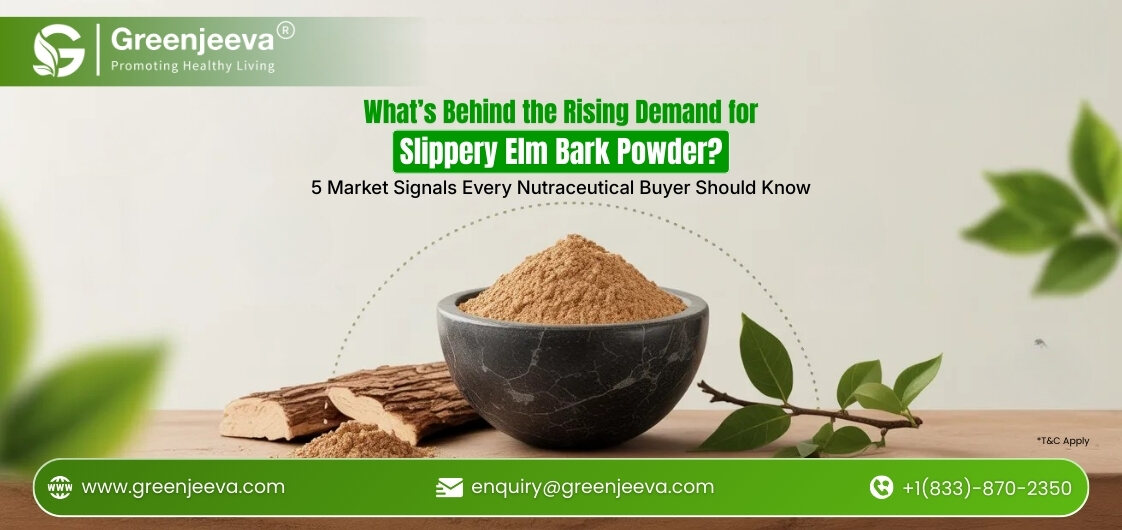
The global nutraceutical industry is witnessing a steady shift toward plant-derived ingredients and traditional botanicals. As supplement brands and functional food manufacturers expand their product portfolios, sourcing teams are increasingly evaluating ingredients that align with clean-label expectations, botanical heritage, and formulation versatility.
One ingredient drawing renewed interest is organic slippery elm bark powder. Traditionally derived from the inner bark of the slippery elm tree, this botanical ingredient has long been incorporated into herbal preparations and modern supplement formulations.
Recent market projections indicate that the global slippery elm market could surpass USD 773 million by 2035, growing at a steady pace as manufacturers continue exploring botanical ingredients for nutraceutical and functional food applications.
For procurement teams and ingredient buyers, this raises an important question: why is slippery elm bark powder gaining attention now?
Several broader industry trends offer useful signals.
Signal 1: The Slippery Elm Bark Powder Market Is Expanding Steadily
Market data suggests that the slippery elm bark powder market is experiencing consistent growth as botanical ingredients gain greater adoption within the supplement industry.
Industry estimates indicate that the market may grow from approximately USD 512 million in 2025 to around USD 773 million by 2035, representing a compound annual growth rate (CAGR) of roughly 4.2% over the forecast period.
This expansion reflects a broader movement within the nutraceutical industry toward plant-derived ingredients and traditional herbal materials. As supplement manufacturers explore new formulation concepts, ingredients with established historical use are attracting renewed attention.
North America, particularly the United States, remains one of the most important markets within the slippery elm supplement market, supported by a mature dietary supplement sector and a strong consumer interest in botanical products.
For ingredient sourcing managers, these trends indicate that slippery elm bark powder demand is likely to remain stable as botanical ingredient categories continue to expand.

This steady market expansion also coincides with another major trend influencing nutraceutical innovation: the rapid growth of the global gut health ingredients market.
Signal 2: The Gut Health Ingredients Market Is Driving Botanical Ingredient Demand
The rapid expansion of the gut health ingredients market has become one of the most influential trends shaping nutraceutical product development.
Across the supplement industry, manufacturers are increasingly developing formulations positioned around digestive wellness and microbiome support. This trend has expanded the use of natural digestive health ingredients, particularly botanical materials traditionally associated with digestive preparations.
While modern formulations often incorporate probiotics, enzymes, and fiber blends, many brands also combine these ingredients with herbal components used in traditional wellness systems.
Within this context, slippery elm powder for supplements has gained attention as a botanical ingredient that fits well into digestive wellness product categories. Its historical use in herbal preparations has helped position it as a recognizable ingredient within botanical supplement formulations.
As a result, the slippery elm powder nutraceutical industry continues to benefit from the broader growth of digestive wellness products.
Signal 3: The Botanical Ingredients Market Is Expanding Rapidly
Another major driver behind growing interest in slippery elm is the continued expansion of the botanical ingredients market.
Globally, botanical ingredients have become central to many supplement and functional food formulations. Several factors contribute to this growth:
- increased demand for plant-derived ingredients
- interest in traditional herbal systems
- consumer preference for recognizable ingredient lists
- expansion of clean-label nutraceutical products
For manufacturers, herbal ingredients for nutraceuticals offer both formulation flexibility and marketing alignment with plant-based wellness trends.
Botanical ingredients are now widely used across product formats including:
- capsules
- tablets
- powder blends
- herbal teas
- functional beverages
Within this growing market segment, slippery elm bark powder has emerged as a botanical ingredient frequently considered for digestive-focused supplement formulations.
Signal 4: Functional Food Ingredients Are Creating New Application Opportunities
In addition to dietary supplements, the functional food ingredients market is creating new opportunities for botanical powders.
Functional foods—products designed to provide additional nutritional or wellness value—have become one of the fastest-growing segments within the broader food and nutrition industry. This category includes products such as:
- powdered drink mixes
- nutrition blends
- herbal beverage formulations
- wellness-focused snack products
Many functional food brands are now incorporating botanical ingredients traditionally used in herbal preparations, helping expand the potential slippery elm powder applications beyond conventional supplement capsules.
For product developers, powdered botanical ingredients offer formulation flexibility because they can be incorporated into:
- powdered beverage mixes
- plant-based nutritional blends
- herbal tea formulations
- specialty wellness beverages
This broader usage has contributed to increasing slippery elm bark powder demand across multiple product categories.

Signal 5: Procurement Teams Are Prioritizing Certified Botanical Supply Chains
Another important trend influencing the slippery elm bark powder market is the growing emphasis on ingredient quality, traceability, and certification.
As regulatory expectations evolve and supplement brands strengthen their quality assurance processes, procurement teams are placing greater emphasis on sourcing ingredients from verified suppliers with documented quality standards.
When evaluating a slippery elm bark powder supplier, manufacturers typically consider several key factors:
Ingredient Specifications
High-quality organic slippery elm bark powder should meet consistent physical and quality parameters, including:
- Moisture: NLT 10%
- Mesh Size: 100% passing through #80 mesh
- Microbial testing and heavy metal testing
These parameters help ensure that the ingredient is suitable for nutraceutical manufacturing and large-scale production.
Certifications and Compliance
Many supplement manufacturers now prioritize ingredients that carry recognized certifications, such as:
- USDA Organic
- Kosher
- Halal
- Gluten-Free
- Vegan
- Allergen-Free
These certifications support compliance with labeling requirements and align with consumer expectations in the North American nutraceutical market.
Transparent Sourcing
Reliable bulk slippery elm bark powder suppliers also provide documentation related to:
- country of origin
- batch traceability
- quality testing reports
- supply chain transparency
These practices help ensure ingredient consistency and support quality assurance processes for supplement manufacturers.
Conclusion
The growing interest in botanical ingredients is reshaping how nutraceutical manufacturers approach product development. As supplement brands continue exploring plant-derived ingredients for modern formulations, traditional botanicals are gaining renewed attention within the industry.
The steady growth of the slippery elm bark powder market, combined with expanding opportunities across the gut health ingredients market, botanical ingredients market, and functional food ingredients market, signals a broader shift toward plant-based formulation strategies.
For manufacturers, ingredients such as organic slippery elm bark powder represent a botanical option that aligns with current industry trends, including clean-label positioning, herbal formulation concepts, and diversified ingredient sourcing.
As the nutraceutical landscape continues to evolve, reliable access to high-quality botanical ingredients will remain an important part of successful product development and manufacturing strategies.
Sourcing Organic Slippery Elm Bark Powder for Nutraceutical Manufacturing
For nutraceutical manufacturers and contract formulators evaluating slippery elm bark powder suppliers, sourcing consistency, certification, and documentation are key considerations.
Green Jeeva LLC supplies organic slippery elm bark powder (#80 mesh) for supplement and functional food manufacturers, with specifications that support nutraceutical production requirements:
- Moisture: NLT 10%
- Mesh Size: 100% passing through #80 mesh
- Certifications: USDA Organic, Kosher, Halal, Gluten-Free, Vegan, Allergen-Free
- Quality Testing: Microbial and heavy metal tested
- Origin: United States and China (batch dependent)
Manufacturers looking for a bulk slippery elm bark powder supplier can explore samples, sourcing options, documentation, and product specifications through Green Jeeva’s ingredient platform.
**The Food and Drug Administration has not evaluated these statements. This product is not intended to diagnose, treat, cure, or prevent any disease.**