What Makes Polygonum cuspidatum Extract Powder a Reliable Source of Resveratrol for Manufacturers
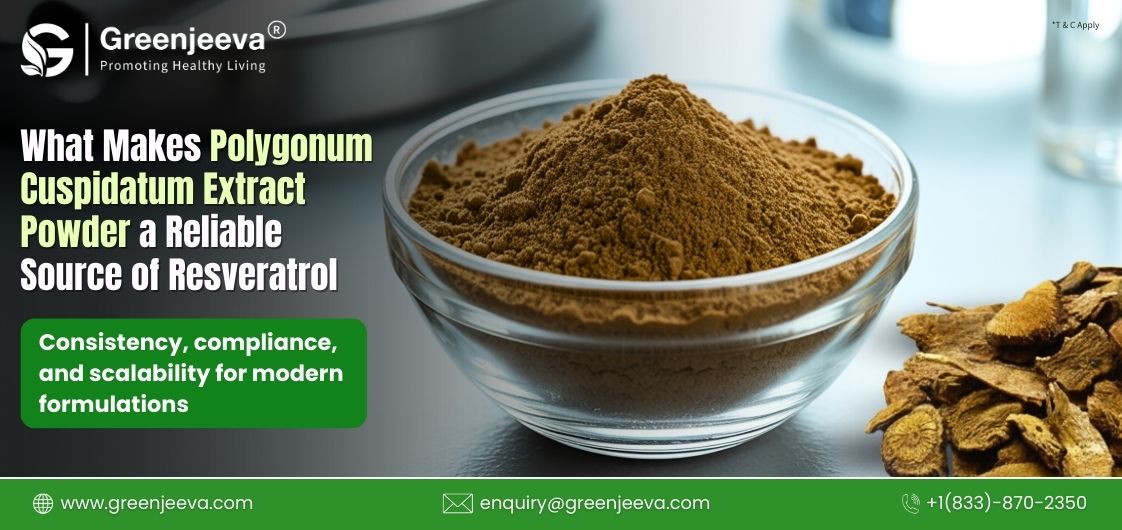
When sourcing HPLC tested resveratrol for large-scale formulations, manufacturers face a recurring question: which botanical extract offers consistency, purity, and scalability? Polygonum cuspidatum Extract Powder has become a key answer to that question. Known as Japanese knotweed, this root-based extract provides resveratrol in standardized concentrations, making it a dependable option for dietary and nutraceutical formulations. With strict quality specifications, long shelf stability, and wide global availability, it continues to hold value for teams seeking reliable bulk supply.
That raises another important point—what exactly makes Polygonum cuspidatum Extract Powder a dependable source of resveratrol, and how does it fit into the needs of sourcing managers, formulators, and R&D professionals? Let’s take a closer look.
What is Polygonum cuspidatum Extract Powder and why is it valued in formulations
Polygonum cuspidatum Extract Powder is a standardized botanical ingredient derived from the rootstock of Polygonum cuspidatum, also called Japanese knotweed. It is widely used in nutraceutical, dietary supplement, functional food, beverage, and cosmetic formulations. Manufacturers rely on this extract because it is one of the most consistent commercial sources of resveratrol, particularly in its trans-resveratrol form. Standardized at 50% by HPLC, the extract offers traceable quality, measurable purity, and repeatable performance in bulk applications.
How is Polygonum cuspidatum Extract Powder sourced and processed
This extract is produced from the rootstock of Polygonum cuspidatum, with China being a primary origin due to established cultivation and processing capacity. The roots undergo an extraction process, typically using food-grade solvents such as ethanol and water, followed by concentration and drying into a free-flowing powder.
Manufacturers value the clean-label sourcing approach because it avoids unnecessary additives and ensures a standardized assay. Each lot is typically tested by HPLC to confirm the trans-resveratrol content and to monitor potential impurities like emodin. This process helps deliver consistent specifications that align with regulatory requirements and procurement standards.
What are the key physical and chemical properties buyers should know
Procurement and formulation teams evaluate Polygonum cuspidatum Extract Powder using defined quality parameters. Standard specifications include:
- Appearance: brown powder with characteristic taste and odor
- Mesh size: at least 90% passing through #80 mesh, ensuring uniform particle distribution
- Loss on drying: not more than 10% w/w, which indicates controlled moisture for better shelf stability
- Total ash: not more than 10% w/w, reflecting limited inorganic matter
- Assay: not less than 50% resveratrol by HPLC
Heavy metal limits are a critical part of compliance. Typical thresholds are: total heavy metals NMT 10 ppm, lead NMT 0.5 ppm, arsenic NMT 1 ppm, mercury NMT 0.5 ppm, cadmium NMT 0.5 ppm.
Microbiological quality is also monitored: total plate count ≤10,000 cfu/g, yeast & mold ≤1000 cfu/g, coliforms ≤10 cfu/g, with E. coli absent and Salmonella negative.
These parameters ensure that the material is suitable for global food and supplement markets and can be integrated with minimal risk to downstream processing.
How does Polygonum cuspidatum Extract Powder contribute to formulation efficiency
While resveratrol is known for its role as a polyphenolic compound, what matters to industrial users is its contribution to formulation design. In powders, capsules, or tablets, the standardized assay allows precise dosage planning and consistent label declarations.
In beverages and liquid systems, formulators often face challenges due to the poor water solubility of resveratrol. Encapsulation, emulsification, or carrier blending strategies are commonly applied to disperse the extract and protect it from light or oxidation. For cosmetics, the extract’s stability is enhanced when delivered in liposomal or oil-based formats, allowing formulators to meet desired performance goals while maintaining product integrity.

Where is Polygonum cuspidatum Extract Powder used across industries
Polygonum cuspidatum Extract Powder has broad applications across multiple sectors:
- Nutraceuticals and dietary supplements: standardized capsules, tablets, and blends rely on the 50% resveratrol assay for precise formulation.
- Functional beverages: powdered mixes, ready-to-drink beverages, and nutrition shakes may include encapsulated forms to overcome solubility limitations.
- Functional foods: snack bars, powdered blends, and fortified foods integrate the extract for its polyphenolic profile, with adjustments made for taste and color.
- Cosmetics and personal care: creams, serums, and emulsions use HPLC-tested powder as a consistent raw material for topical actives.
- Pet nutrition: premium pet supplements occasionally incorporate standardized resveratrol extracts, though usage requires compliance with species-specific regulations.
What should sourcing teams check before bulk procurement
Procurement managers in the USA and globally typically review the following before finalizing bulk supply:
- Certificate of Analysis (COA) with HPLC assay data for trans-resveratrol
- Microbial and heavy metal reports aligned with international safety standards
- Residual solvent data to confirm compliance with USP 467 guidelines
- Emodin content to ensure within safe thresholds
- Material Safety Data Sheet (MSDS/SDS) and certificate of origin
- Organic certification if applicable
- Batch-specific documentation for traceability
MOQ (minimum order quantity) varies by supplier, often ranging from 25 kg drum sizes upward. Samples are typically available for qualification testing before committing to wholesale pricing. Shelf life under standard storage conditions is around 36 months when kept in airtight, light-protected packaging.
What are some lesser-known facts about Polygonum cuspidatum Extract Powder
- Polygonum cuspidatum is an invasive species in several regions, but its roots provide a sustainable commercial source of resveratrol.
- The extract contains other phytochemicals such as flavonoids and tannins, although resveratrol remains the standardized marker.
- Regulatory approaches differ. In the United States it is accepted in dietary supplements, while in the European Union, some resveratrol forms may be treated as novel foods depending on source and intended use.
How is the market for Polygonum cuspidatum Extract Powder evolving
Global demand for resveratrol ingredients is steadily expanding, particularly in North America. Sourcing teams report growing requests for clean-label, HPLC-tested resveratrol extracts that can meet compliance across supplements, cosmetics, and functional beverage sectors.
R&D teams are increasingly focused on addressing the solubility and stability challenges of resveratrol. Microencapsulation, nanoemulsion, and other delivery technologies are gaining traction to extend its use in beverages and topical systems.
For bulk buyers in the USA, securing consistent supply and ensuring transparent compliance documentation remain top priorities, particularly as global demand places pressure on raw material markets.

Conclusion
Polygonum cuspidatum Extract Powder standardized to 50% resveratrol by HPLC has established itself as a reliable raw material for manufacturers across supplements, foods, beverages, cosmetics, and pet nutrition. Its consistency, defined specifications, and broad usability make it a key ingredient for industrial procurement teams. By prioritizing transparent documentation, verified testing, and supply chain traceability, manufacturers can integrate this extract effectively into diverse product categories.
Green Jeeva supplies bulk Polygonum cuspidatum Extract Powder with complete documentation, HPLC testing, and compliance support for manufacturers in the USA. If you are looking for wholesale or bulk supply, register to order free samples, download COAs & other compliance docs, and secure your sourcing requirements.
**The Food and Drug Administration has not evaluated these statements. This product is not intended to diagnose, treat, cure, or prevent any disease.**