The Hidden Variables That Impact Lion's Mane Powder Quality, Consistency, and Supply Reliability
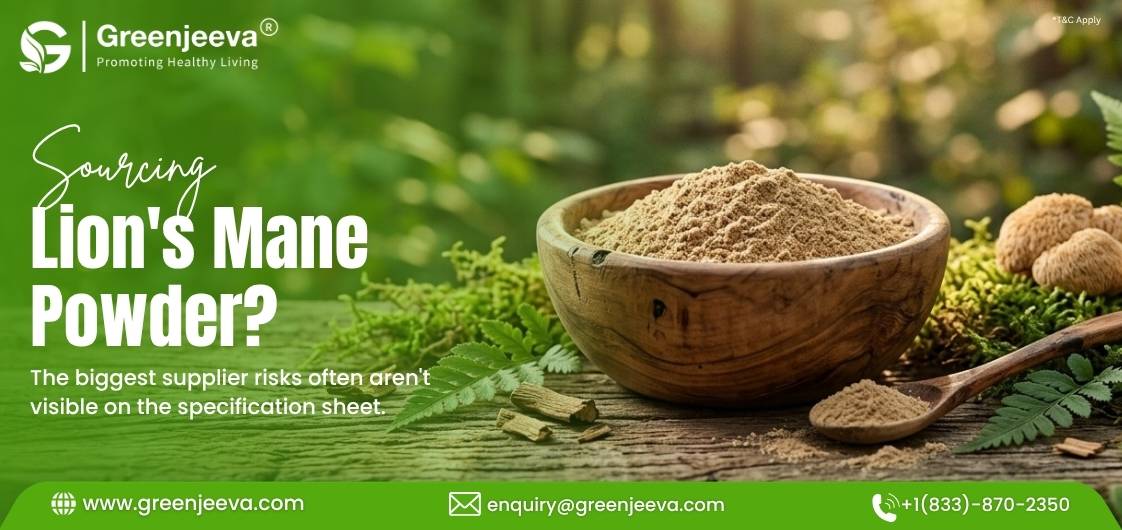
Lion's mane powder supplier evaluation has become more complex.
As interest in mushroom-based ingredients continues to grow across nutraceutical, functional food, beverage, and wellness markets, manufacturers are placing greater emphasis on supplier qualification and sourcing risk management. While ingredient specifications remain an important part of the procurement process, experienced sourcing teams understand that specifications alone rarely tell the complete story.
When evaluating lion's mane powder suppliers, buyers are often comparing products that appear similar on paper. Certificates of analysis may show comparable moisture levels, microbiological limits, particle size ranges, and appearance descriptions. Yet once an ingredient enters commercial production, significant differences in quality consistency, documentation support, responsiveness, and supply reliability can emerge.
This challenge is particularly relevant for organizations sourcing lion's mane powder bulk quantities for ongoing manufacturing programs. A supplier's ability to maintain consistency across batches, support quality reviews, and provide reliable inventory planning can have a greater impact on long-term procurement success than a single specification sheet.
For procurement managers and product development teams, evaluating an organic lion's mane powder supplier increasingly involves looking beyond basic compliance requirements and examining the operational variables that influence ingredient performance over time.
Why Similar Lion's Mane Powder Specifications Can Produce Different Manufacturing Outcomes
One of the most common misconceptions in ingredient sourcing is that similar specifications indicate similar supplier performance. In reality, two suppliers may offer nearly identical lion's mane mushroom powder specifications while delivering very different commercial experiences.
This disconnect often occurs because specifications are designed to describe a product at a specific point in time. They are not intended to measure the broader systems, controls, and sourcing practices that influence long-term consistency.

What Specifications Tell Buyers
Specifications play an important role in supplier qualification because they establish measurable quality parameters. Procurement and quality teams typically review factors such as:
- Moisture content
- Particle size
- Appearance and color
- Microbiological limits
- Storage conditions
- Packaging details
These parameters help buyers determine whether an ingredient aligns with product development and manufacturing requirements.
However, specifications represent only a portion of the information needed to evaluate supplier suitability.
What Specifications Often Don't Reveal
A specification sheet rarely provides insight into how consistently a supplier can reproduce those results over multiple production cycles.
For example, specifications typically do not reveal the following:
- The sourcing strategy behind the raw material
- Variability management practices
- Inventory planning capabilities
- Documentation responsiveness
- Quality control workflows
- Supply continuity planning
As a result, two suppliers may present nearly identical documentation while operating under very different quality and supply management systems.
Why Procurement Teams Look Beyond the COA
Certificates of Analysis (COAs) are valuable verification tools, but they represent a single batch rather than a supplier's overall operational capability.
Experienced procurement teams often evaluate questions such as the following:
- Can the supplier maintain consistent quality across future orders?
- How quickly can supporting documentation be provided?
- What happens if demand increases unexpectedly?
- How transparent is the supplier's traceability process?
- Can the supplier support future growth requirements?
These considerations help manufacturers assess long-term sourcing risk rather than focusing solely on immediate compliance requirements.
For organizations developing products that incorporate lion's mane mushroom supplement ingredients, consistency often becomes just as important as specification compliance. A supplier's ability to deliver repeatable quality over time can influence production efficiency, inventory management, and internal qualification processes.
The Raw Material Variable: Not All Lion's Mane Mushroom Sources Are Equal
Raw material sourcing is one of the least visible yet most influential factors affecting ingredient consistency.
While buyers frequently focus on finished product specifications, the quality and reliability of lion's mane powder often begin much earlier in the supply chain.
Cultivation Practices Can Influence Supply Consistency
Like many agricultural ingredients, lion's mane mushroom powder is ultimately dependent on raw material production.
Differences in cultivation practices, growing conditions, harvesting procedures, and supply chain management can all contribute to variability.
Although finished products may meet the same specification requirements, suppliers often differ significantly in how they manage:
- Raw material sourcing networks
- Supplier relationships
- Harvest planning
- Quality verification procedures
- Inventory forecasting
These upstream variables can influence consistency long before processing begins.
For manufacturers purchasing bulk lion's mane powder, understanding how suppliers manage raw material procurement can provide valuable insight into future supply stability.
Traceability Matters More Than Many Buyers Realize
Traceability has become an increasingly important component of ingredient sourcing programs.
Procurement teams are frequently expected to verify ingredient origins, review supplier qualification records, and maintain documentation that supports internal quality systems.
Strong traceability systems can help manufacturers:
- Verify ingredient origins
- Support supplier audits
- Maintain batch accountability
- Streamline investigations when issues arise
- Improve supply chain visibility
As a result, many organizations now evaluate traceability capabilities alongside traditional quality metrics when assessing an organic lion's mane powder supplier.
Questions Manufacturers Should Ask About Raw Material Sourcing
Supplier evaluation often becomes more effective when buyers move beyond finished-product specifications and explore sourcing practices directly.
Questions that procurement teams may consider include:
- How is raw material sourcing managed?
- What traceability systems are in place?
- How are incoming raw materials qualified?
- What controls exist to manage variability?
- How does the supplier address sourcing disruptions?
- Can sourcing documentation be provided when requested?
The answers to these questions often reveal more about a supplier's long-term reliability than a specification sheet alone.
As global demand for adaptogenic mushroom powder ingredients continues to expand, manufacturers are increasingly prioritizing suppliers that can demonstrate transparency, consistency, and robust sourcing controls throughout the supply chain.
Understanding these hidden variables is often the first step toward building a more resilient ingredient procurement strategy.
Processing Variables That Influence Ingredient Consistency
After raw material sourcing, processing is one of the most significant factors influencing the quality and consistency of lion's mane powder. Even when suppliers source similar raw materials, differences in processing controls can lead to noticeable variations in the final ingredient.
For manufacturers, understanding these variables is important because processing affects not only product specifications but also batch-to-batch consistency, handling characteristics, and overall supplier reliability.
Drying Methods and Their Impact on Powder Characteristics
Drying is a critical stage in the production of lion's mane mushroom powder. The objective is not simply to reduce moisture content but to do so consistently while maintaining product integrity.
Procurement teams often review moisture specifications as part of supplier qualification, but moisture results alone do not provide a complete picture. Consistent drying practices can influence:
- Product stability during storage
- Flowability during manufacturing
- Powder appearance
- Batch uniformity
- Packaging performance
Variations in drying processes may contribute to differences between production lots, even when final specifications remain within acceptable limits.
For manufacturers sourcing lion's mane powder bulk quantities, consistent moisture management can help reduce operational challenges during downstream manufacturing processes.
Milling and Particle Size Management
Once dried lion's mane powder typically undergoes milling to achieve the desired particle size.
Particle size consistency is often an overlooked sourcing variable, yet it can influence several practical considerations for manufacturers, including:
- Ingredient blending
- Powder flow characteristics
- Manufacturing efficiency
- Product uniformity
While specifications generally include particle size requirements, buyers may benefit from understanding how suppliers monitor and control milling processes across production batches.
A supplier that consistently delivers uniform particle size distributions may help reduce variability within manufacturing operations.
Why Process Control Matters for Commercial Manufacturing
Commercial ingredient sourcing is ultimately about repeatability.
Manufacturers are not simply purchasing a single batch of material; they are often evaluating whether a supplier can deliver the same quality standards over months or years.
This is where process controls become increasingly important.
Suppliers with well-defined production procedures are often better positioned to:
- Maintain batch consistency
- Reduce variability
- Support quality investigations
- Improve production predictability
For procurement teams, process consistency can be just as important as specification compliance when evaluating an organic lion's mane powder supplier.
Understanding the Difference Between Lion's Mane Mushroom Powder and Bulk Lion's Mane Extract
One area that frequently creates confusion during ingredient sourcing is the distinction between lion's mane mushroom powder and bulk lion's mane extract.
Although these ingredients are derived from the same mushroom source, they are different ingredient categories and may require different supplier evaluation approaches.
Lion's Mane Mushroom Powder
Lion's mane mushroom powder is generally produced by drying and milling mushroom material into powdered form.
When evaluating lion's mane mushroom powder suppliers, procurement teams commonly focus on the following:
- Raw material sourcing
- Processing consistency
- Moisture management
- Particle size specifications
- Traceability systems
- Documentation support
For many manufacturers, supplier reliability and consistency are primary evaluation criteria when sourcing this ingredient category.
Bulk Lion's Mane Extract
Bulk lion's mane extract is typically produced through extraction processes designed to concentrate specific components of the raw material.
Because extraction introduces additional manufacturing steps, supplier qualification may involve reviewing:
- Extraction methodologies
- Process controls
- Raw material traceability
- Batch consistency programs
- Supporting documentation
Buyers often request additional technical information when evaluating extract suppliers because extraction processes can vary significantly between manufacturers.
Why Manufacturers Evaluate These Ingredients Differently
Although both ingredients originate from lion's mane mushrooms, procurement requirements may differ depending on the intended application.
For example, organizations evaluating bulk lion's mane extract often place additional emphasis on:
- Manufacturing transparency
- Process verification
- Documentation completeness
- Consistency across production lots
Meanwhile, manufacturers sourcing lion's mane mushroom powder may focus more heavily on raw material quality, particle size consistency, and supply continuity.
Understanding these distinctions can help procurement teams compare suppliers more effectively and avoid making assumptions based solely on product names or specifications.
The Documentation Variable: What Procurement Teams Review Beyond Product Specifications
Documentation is often one of the clearest indicators of a supplier's operational maturity.
While ingredient quality remains a central concern, procurement teams frequently evaluate how efficiently suppliers can provide supporting documentation throughout the qualification process.
A supplier's ability to deliver accurate, complete, and timely documentation can significantly influence internal approvals and purchasing decisions.
Core Documents Commonly Requested During Supplier Qualification
Although requirements vary between organizations, buyers commonly request documentation such as:
- Product specifications
- Certificates of Analysis (COAs)
- Organic certifications
- Allergen statements
- Heavy metal testing reports
- Microbiological testing data
- Country of origin information
For manufacturers developing products that incorporate lion's mane mushroom supplement ingredients, these documents often form the foundation of supplier approval workflows.
Documentation Readiness as an Indicator of Supplier Reliability
Documentation readiness is frequently viewed as more than an administrative function.
When suppliers can provide requested information quickly and accurately, it often demonstrates the following:
- Organized recordkeeping
- Defined quality systems
- Effective internal processes
-Strong customer support capabilities
Conversely, delays or inconsistencies in documentation can create additional workload for procurement and quality teams.
As supplier qualification programs become more structured, documentation responsiveness increasingly serves as an indicator of overall supplier reliability.
How Documentation Delays Can Impact Commercial Timelines
Documentation gaps can affect more than compliance reviews.
They may also influence:
- Product development schedules
- Supplier approval timelines
- Internal quality assessments
- Audit preparation activities
- Procurement decision-making
For organizations evaluating an organic lion's mane powder supplier, documentation readiness can become a practical differentiator when comparing otherwise similar suppliers.
As demand for lion's mane powder continues to grow across supplement, functional food, and adaptogenic mushroom powder applications, manufacturers are increasingly seeking suppliers that can support qualification processes with both consistent product quality and efficient documentation workflows.
In many cases, the ability to provide reliable information when it is needed becomes just as important as the product itself.
Supply Continuity: The Variable That Often Receives Too Little Attention
Quality and compliance frequently dominate supplier evaluations, but supply continuity can be just as important for manufacturers operating in competitive markets. Even a well-qualified ingredient may become problematic if inventory shortages, inconsistent lead times, or supply disruptions affect production schedules.
For procurement teams sourcing lion's mane powder bulk quantities, supplier reliability extends beyond product quality and includes a supplier's ability to support ongoing demand.
Why Inventory Visibility Matters
Inventory visibility helps manufacturers make informed purchasing decisions and reduce uncertainty throughout the procurement process.
When evaluating suppliers, buyers often seek clarity regarding:
- Current inventory availability
- Lead times
- Replenishment schedules
- Warehousing capabilities
- Order fulfillment processes
Greater visibility allows manufacturers to align purchasing decisions with production requirements and reduce the likelihood of unexpected supply challenges.
Forecasting and Demand Planning Support
As demand for mushroom-based ingredients continues to grow, forecasting capabilities have become increasingly valuable.
Suppliers that actively support demand planning may be better positioned to help customers manage:
- Seasonal fluctuations
- Production growth
- Long-term purchasing requirements
- Inventory planning
For manufacturers incorporating lion's mane mushroom powder into multiple product lines, forecasting support can contribute to greater supply chain stability.
Evaluating a Supplier's Ability to Support Growth
A supplier may successfully support current purchasing volumes while struggling to accommodate future demand increases.
As part of supplier qualification, procurement teams often assess the following:
- Production capacity
- Inventory management systems
- Supply network strength
- Scalability of operations
- Long-term sourcing strategies
These considerations become particularly important when evaluating suppliers for commercial-scale manufacturing programs or Organic Lion's Mane Powder Exports.

How Manufacturers Evaluate Lion's Mane Powder Suppliers Before Approval
Supplier approval processes vary between organizations, but most manufacturers follow a structured framework designed to reduce sourcing risks and ensure supplier suitability.
Rather than focusing solely on product specifications, qualification programs typically evaluate both product quality and supplier capability.
Initial Supplier Screening
The first stage often involves assessing whether a supplier aligns with basic procurement requirements.
Areas commonly reviewed include:
- Company background
- Industry experience
- Product portfolio
- Quality certifications
- Geographic supply capabilities
At this stage, procurement teams are determining whether further evaluation is warranted.
Technical Qualification Review
Once a supplier passes initial screening, technical teams often review documentation and quality-related information.
This review may include:
- Product specifications
- Certificates of Analysis
- Organic certifications
- Testing programs
- Traceability systems
- Quality management procedures
The objective is to determine whether the supplier can support internal quality standards and regulatory requirements.
Sample Assessment Process
Many manufacturers request samples before approving a supplier.
Sample evaluations may focus on:
- Appearance
- Color consistency
- Particle size
- Flowability
- Packaging quality
This step helps confirm that supplied material aligns with documented specifications and manufacturing expectations.
Commercial Evaluation
Commercial reviews typically examine factors such as the following:
- Pricing structure
- Lead times
- Minimum order quantities
- Inventory support
- Customer service responsiveness
These considerations help procurement teams evaluate the practicality of establishing a long-term supply relationship.
Approved Supplier Status
Only after technical, quality, and commercial evaluations are completed do many organizations grant approved supplier status.
This structured process helps reduce procurement risks and supports more consistent sourcing outcomes.

What Manufacturers Should Expect From a Lion's Mane Powder Supplier
As sourcing programs become more sophisticated, manufacturers increasingly evaluate suppliers as long-term supply partners rather than simple ingredient vendors.
The strongest supplier relationships are often built around transparency, consistency, and operational support.
Consistent Product Quality
Consistency remains one of the most important supplier evaluation criteria.
Manufacturers typically seek suppliers capable of maintaining:
- Stable quality standards
- Batch-to-batch consistency
- Reliable specifications
- Defined quality controls
Responsive Technical Support
Questions related to specifications, testing methods, documentation, and product characteristics are common during supplier qualification.
Timely technical support can help procurement and quality teams resolve issues more efficiently.
Traceability and Documentation Support
Manufacturers increasingly expect suppliers to provide:
- Traceability information
- Supporting documentation
- Compliance records
- Quality verification data
Efficient documentation support can simplify audits, supplier reviews, and internal approvals.
Reliable Supply Planning
Strong suppliers understand that consistent supply is critical to commercial manufacturing.
This includes support for:
- Inventory planning
- Forecasting discussions
- Demand fluctuations
- Production scheduling
Transparent Communication
Open communication is often a defining characteristic of successful supplier relationships.
Procurement teams generally value suppliers that provide:
- Accurate lead time information
- Early notification of potential disruptions
- Clear documentation updates
- Responsive customer support
These capabilities can help strengthen long-term sourcing partnerships.
Considerations for Global Buyers Sourcing Organic Lion's Mane Powder
Global sourcing introduces additional considerations beyond domestic procurement programs.
Organizations evaluating organic lion's mane powder exports frequently place greater emphasis on documentation, supply chain transparency, and logistical support.
Documentation Expectations for International Procurement
Export-focused sourcing programs often require extensive documentation to support:
- Supplier qualification
- Quality reviews
- Regulatory compliance
- Import requirements
The ability to provide complete and accurate documentation can significantly influence supplier selection decisions.
Supply Chain Transparency for Export Programs
As international supply chains become more complex, buyers increasingly seek visibility into ingredient origins and sourcing practices.
Transparent supply chains can help support:
- Audit readiness
- Risk management
- Quality investigations
- Procurement decision-making
Evaluating Suppliers Supporting Export Markets
When sourcing internationally, manufacturers often evaluate whether suppliers can consistently support export requirements over time.
Areas commonly reviewed include:
- Documentation readiness
- Quality systems
- Communication capabilities
- Inventory support
- Traceability programs
For organizations evaluating a lion's mane powder supplier in the USA or suppliers serving international markets, these capabilities often become important differentiators.

Key Takeaways for Procurement and Product Development Teams
The factors that influence lion's mane powder quality and sourcing reliability often extend far beyond the specification sheet.
While product specifications, Certificates of Analysis, and certifications remain important qualification tools, manufacturers increasingly evaluate a broader set of variables that affect long-term procurement success.
Raw material sourcing practices, processing controls, documentation readiness, traceability systems, inventory planning, and supplier responsiveness can all influence sourcing outcomes over time.
For procurement teams sourcing lion's mane mushroom powder or bulk lion's mane extract, understanding these hidden variables can help reduce supplier-related risks and support more informed purchasing decisions.
When evaluating an organic lion's mane powder supplier, manufacturers often prioritize partners that can provide transparent sourcing information, responsive documentation support, reliable inventory planning, and consistent quality management practices. These capabilities can help streamline qualification processes and strengthen supply chain confidence.
Organizations seeking a dependable sourcing partner for lion's mane powder bulk requirements often benefit from working with suppliers that combine traceability, quality verification, documentation support, and supply continuity planning. At Green Jeeva, these are among the factors that support our approach to ingredient sourcing and supplier partnership development.